
Planning a trip should feel exciting, not like you're mentally running through "what if" scenarios while sitting at the airport gate. But for many homeowners, leaving the house unattended for several days comes with a lingering question:
What happens if something goes wrong while I'm gone?
A few simple home preparations can go a long way toward protecting your home and giving you real peace of mind while you travel. From thermostat settings to water shutoffs, preparing your home before vacation helps reduce the risk of unexpected issues while you're away.
Whether you're leaving for a long weekend or an extended trip, here's how to put your home into "vacation mode" before you lock the door.
What Happens When Your Home Runs Without You There?
Your HVAC and plumbing systems don't stop working just because the house is empty. In fact, unattended homes can make small issues harder to notice until they become expensive ones.
A slow plumbing leak can continue unnoticed for days. A clogged AC drain line can trigger humidity issues. And if indoor temperatures fluctuate too dramatically, your HVAC system may work harder than necessary while the home sits empty.
For proactive homeowners, preparation is about confidence and control, not worry. The goal isn't to spend your vacation worrying about your house. You want to know you already handled the important things before you left.
A few preventative steps now can help you avoid unnecessary stress later.
Common Things Homeowners Forget Before Leaving
Even organized homeowners can overlook small but important system checks before a trip. Some of the most common include:
- Leaving the thermostat at normal day-to-day settings
- Forgetting to check for slow leaks under sinks or near appliances
- Leaving without replacing dirty HVAC filters
- Forgetting to test smoke detectors or sump pumps
- Shutting systems off completely instead of adjusting them safely
Many homeowners assume turning everything off is safest, but that can actually create problems depending on the season and your home's setup.
Should You Turn Off the Water When You Go on Vacation?
One of the most common vacation-prep questions homeowners ask is: "Should I turn off water when you go on vacation?"
In many cases, yes — especially if you'll be gone for several days or longer.
Turning off the main water supply can help reduce the risk of unnoticed leaks causing costly damage while no one is home. Washing machine hoses, ice maker lines, water heaters, and aging plumbing connections are common sources of unnoticed leaks.
Whether you should fully shut off water depends on several factors, including how long you'll be away and whether your home has automatic systems that require water.
If you live in an area where freezing temperatures are possible, proper winterization steps may also be important.
A plumbing inspection can help identify small leak risks before they become expensive repairs.
What Should You Set Your Thermostat To While You're Away?
The ideal setting depends on the season, but the goal is usually the same: protect your home while reducing unnecessary energy use.
During Summer
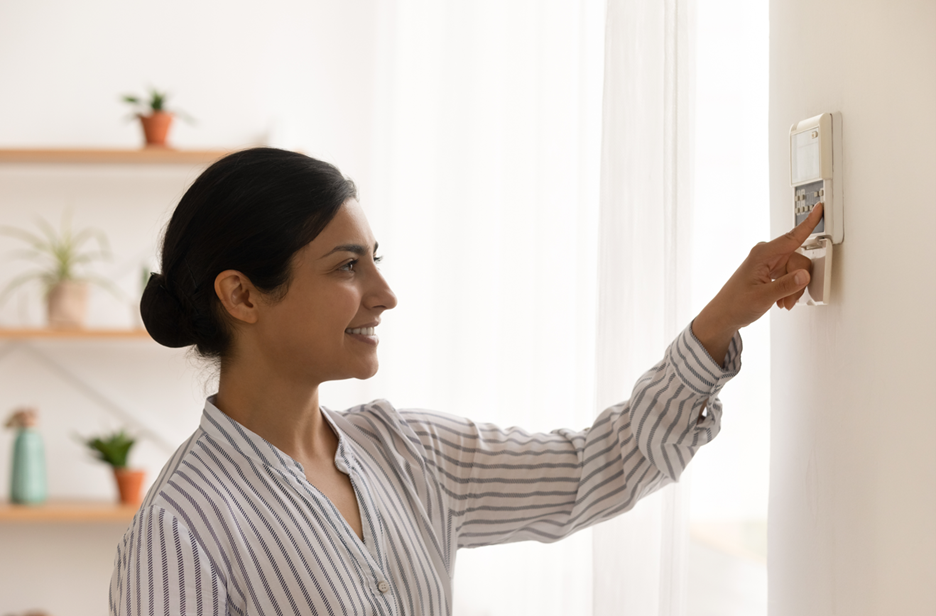
If you're leaving during warmer months, many homeowners set the thermostat between 78–85°F depending on:
- How long they'll be gone
- Whether pets remain in the home
- Humidity levels
- Smart thermostat capabilities
Avoid letting the home get excessively hot, since humidity buildup can affect electronics, wood materials, and indoor air quality.
During Winter
In colder weather, avoid shutting the heat off completely. Keeping the thermostat around 55–60°F can help protect pipes from freezing while still reducing energy use.
Is It Safe to Leave Your AC Running While You're Away?
In most cases, it's better to adjust your AC rather than shut it off completely.
Your air conditioning system helps regulate indoor temperature, humidity levels and air circulation.
Before leaving, consider:
- Replacing dirty air filters
- Clearing debris around the outdoor unit
- Ensuring your condensate drains are functioning properly
- Testing your thermostat settings before departure
If your system has struggled recently, a maintenance visit before travel can help reduce the chance of surprise breakdowns while you're away.
How to Protect Your Home While You're Out of Town
A few simple preventative steps can help your home stay safe and efficient while you travel. Use this simple pre-trip home checklist to help you prepare your home before you leave. Save it or print it for easy reference before your next trip:
Vacation Mode Home Checklist
HVAC
☐ Replace HVAC filter
☐ Adjust thermostat settings
☐ Clear debris around outdoor unit
☐ Test system before leaving
Plumbing
☐ Check sinks and appliances for leaks
☐ Consider shutting off main water supply
☐ Inspect water heater area
Safety & General
☐ Lock windows and doors
☐ Test smoke detectors
☐ Arrange mail/package pickup
☐ Confirm someone can check on the house if needed
A Pre-Trip System Check Can Help You Leave With Peace of Mind
If you've ever spent the first day of vacation wondering whether you forgot something at home, you're not alone.
A professional pre-trip HVAC and plumbing inspection can help identify small issues before they turn into larger problems while you're away. Your home's HVAC and plumbing systems work together to keep your space comfortable, protected and running smoothly while you're gone.
For homeowners, preparation creates peace of mind and confidence that their home is protected. And for homeowners with a little "what if something breaks while I'm gone?" concern in the back of their minds, it helps replace uncertainty with confidence.
Because the best vacation is the one where you can focus on enjoying your time away instead of worrying about what's happening at home.
Contact Cunningham Associates in Atlanta at 770-273-0893 or visit cunninghamhvac.com for more information.